Key Takeaways
- Early warning signs – Musty odors, water stains, bubbling paint, damp insulation, and fungal growth inside may warrant roof moisture testing, especially when paired with excessive moss growth atop the roof.
- Portlanders need to be vigilant – From October through May, Northwest Oregon brings frequent rainfall and high humidity that can increase the risk of moss growth and other moisture-related roofing problems.
- Controlling roof moisture – Ensuring proper ventilation and drainage through routine maintenance and timely repairs can reduce the risk of insulation damage and premature roof deterioration from rot and mold.
Moisture Problems Often Start Before You See a Leak
When most homeowners think about roof moisture problems, they envision glaring issues like a big pool of water sitting in one of their roof valleys or ceiling leaks during heavy rain. In reality, excess moisture can develop atop or within the roofing system well before water becomes visible.
Factors like condensation, poor attic ventilation, hidden leaks, aging materials, and drainage problems can all allow moisture to accumulate in places homeowners cannot easily see. Maybe humid air entered your attic and condensed on cooler surfaces, or maybe water found its way beneath roofing materials through small openings around flashing, vents, valleys, or damaged materials. Regardless of how it got there, if the moisture doesn’t have an opportunity to dry, it can remain trapped within the roofing system or attic and cause extensive deterioration as time goes on.
The guide below can help you identify signs that you need roof moisture testing so that you have a better opportunity to correct the underlying problem while repairs are still manageable. Waiting until a ceiling begins dripping can mean the moisture has already affected insulation, decking, framing, or other components.
Will Water Intrusion Be Visible Eventually?
A homeowner may never see active water intrusion and still have a significant moisture problem. Scheduling a professional roofing inspection can help determine whether moisture is present and, if so, if it is entering from outside, condensing inside the attic, or accumulating because the roofing system is not drying properly.
The Signs of Hidden Moisture in Your Roofing System
Because moisture is often hidden, homeowners may need to look for indirect evidence that something is wrong. Some warning signs appear in the attic, while others become noticeable inside the living space or on the roof itself.
Six key signs your roof needs to be inspected for moisture-related issues are:
- Musty odors – Persistent musty smells in an attic or upper areas of the home can indicate excess humidity or hidden moisture.
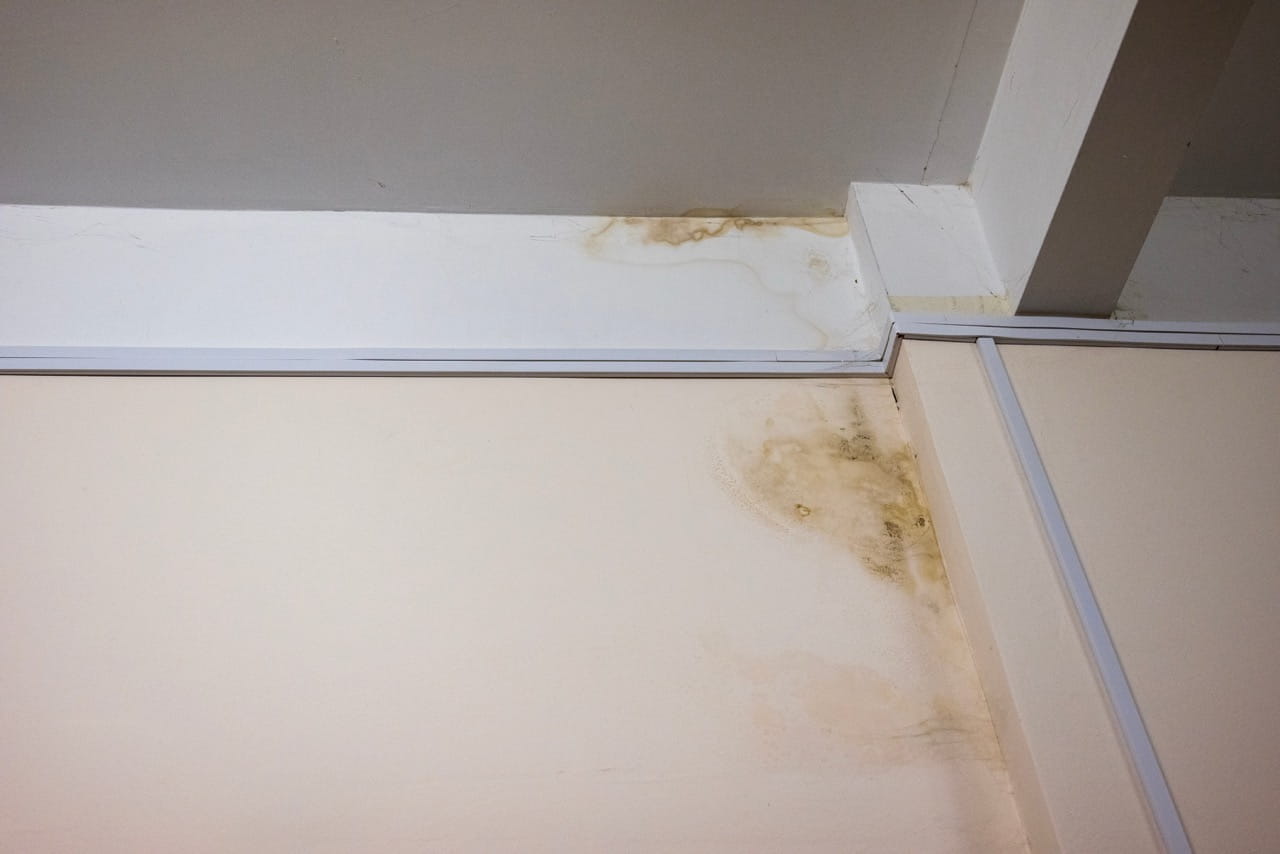
- Dark stains or discoloration – Brown, yellow, or darkened areas on ceilings and walls may point to moisture intrusion.
- Mold or mildew growth – Visible growth can develop when moisture remains present for extended periods.
- Damp insulation or attic materials – Insulation, roof decking, and framing should not remain damp under normal conditions.
- Excessive moss growth – Moss can retain moisture against roofing materials and may indicate conditions that keep the roof surface damp.
- Peeling paint or bubbling surfaces – Moisture behind interior finishes can cause paint to peel, bubble, or deteriorate.
None of these signs automatically proves that your roof is trapping moisture. For example, indoor humidity or plumbing problems can produce some of the same symptoms. However, they are reasons to investigate further, particularly when several signs appear together.
Oregon Roofs Are Especially Vulnerable to Moisture Issues
Oregon’s climate creates challenging conditions for residential roofing systems, especially in the Portland metro area because of the issues below.
Heavy Rain and Humidity Cause Problems
Portland, Oregon, gets nearly 36 inches of rainfall every year, about 20% more than the national average. In the cooler months, more specifically October through May, long periods of rainfall can keep roof surfaces and surrounding materials wet—high humidity and limited opportunities for drying can allow moisture to persist.
Debris Plays a Role
The problem can become even more pronounced on homes surrounded by trees. Some common things that accumulate in valleys, around roof penetrations, and along drainage paths in Portland neighborhoods include:
- Leaves
- Pine and fir needles
- Branches and bark
- Seeds and cones
When harmful tree debris remains wet, it can retain moisture against the roof and interfere with normal drainage.
Moss Creates More Issues
Moss is another consideration throughout the Portland metro area and other parts of the Pacific Northwest. Moss thrives in damp, shaded environments and can hold moisture against roofing materials. If you do not get rid of moss on your roof, it can spread and contribute to accelerated wear and create additional maintenance concerns.
Oregon homeowners cannot eliminate rain or humidity, but they can help their roofs manage moisture by removing clogs in gutters and keeping other aspects of drainage pathways clear. It is also important to promptly address damaged materials and have the roof inspected regularly.
Don’t Forget About Roof Ventilation
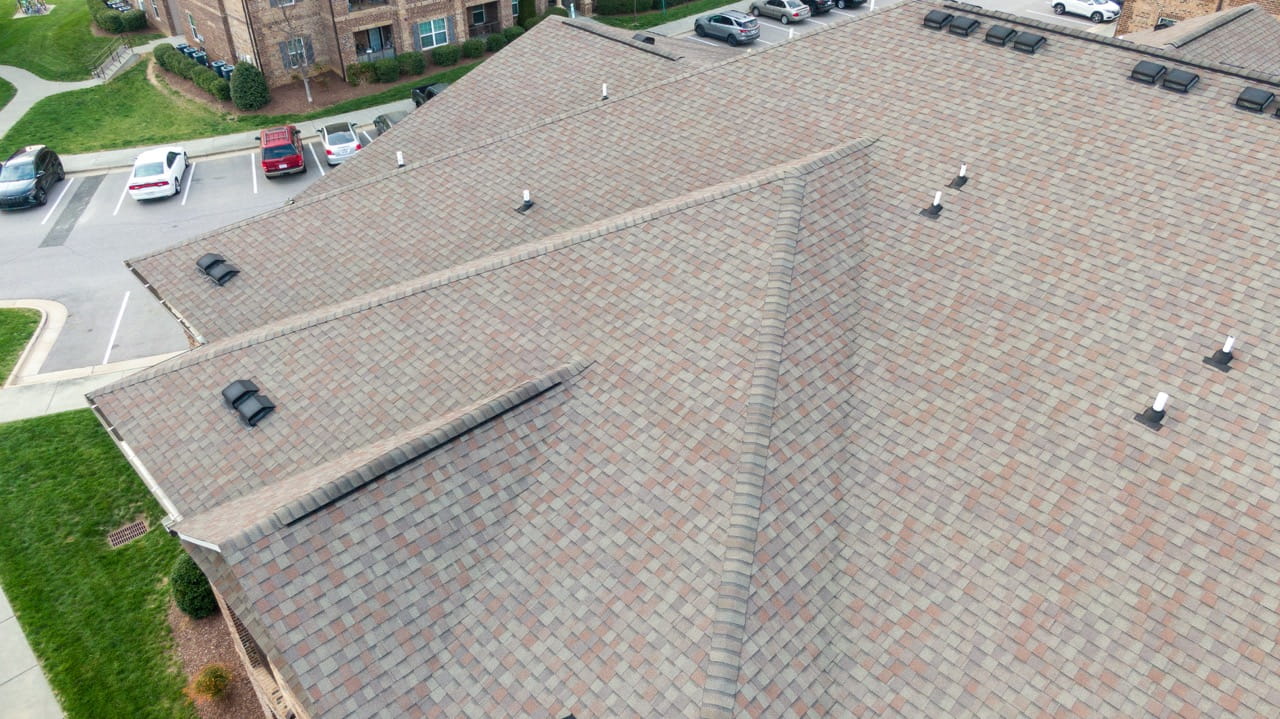
Another one of the most important factors in managing roof moisture is ensuring proper attic ventilation. Ventilation helps move air through the attic, allowing excess heat and moisture to escape rather than remaining trapped beneath the roof.
Why Ventilation Is Critical for Managing Roof Moisture
It is beneficial year-round, but roof ventilation is more important during periods of temperature change, as warm, humid air from the living space can migrate into the attic. When that air encounters cooler roof surfaces, condensation can form. Without adequate airflow, that moisture may remain on decking, framing, insulation, or other attic components and ultimately cause damage.
Ventilation Relies on Balance
A properly designed ventilation system needs to balance intake and exhaust components. The small table below shows how soffit or eave vents collaborate with ridge vents and other exhaust components to ensure consistent airflow.
| Vent Type | Primary Function |
| Soffit or eave vents | Allow fresh air to enter the attic |
| Ridge vents and other exhaust vents | Allow warm, humid air to exit the attic |
Therefore, simply adding one of these types of roof vents at random won’t necessarily solve poor attic ventilation. The system needs to be designed and configured appropriately for the home’s roof structure, making it important to hire a legitimate roofing contractor.
The Damage Trapped Moisture Can Cause Over Time
Persistent roof moisture can affect far more than the visible roofing material. When wood components remain damp, they can become vulnerable to deterioration and rot—moisture can also damage insulation, encourage mold growth, and contribute to premature aging throughout the roofing system.
In some cases, the damage develops slowly. A small area of condensation may not produce any obvious symptoms for months. Over time, however, repeated wetting and drying can degrade materials and weaken components that are difficult to access or replace.
The potential consequences include:
- Deteriorated roof decking
- Xylophagous (wood rot), mold, or mildew growth
- Damaged or compressed insulation
- Premature deterioration of roofing materials
- Damage to attic framing
- Interior ceiling or wall damage
Problems Can Snowball
The cost of addressing the previously mentioned problems can increase significantly when ventilation problems, moss complications, and minor leaks are ignored. A small ventilation adjustment or localized roof repair may be relatively straightforward compared with replacing damaged decking, insulation, or structural components.
This is why addressing the source matters—painting over a ceiling stain may improve its appearance, but it will not stop water from entering the roof. Similarly, removing visible mold without correcting the moisture conditions that caused it can allow the problem to return.
Finding the Source of a Roof Moisture Problem
Finding the source of excess roof moisture often requires looking at the entire roofing system rather than focusing on one visible symptom. A comprehensive evaluation of exterior roofing materials, attic conditions, ventilation, drainage, and flashing has the best chance of showing which areas are contributing to moisture accumulation.
Depending on the situation, roof moisture testing may provide helpful information. Moisture detection can help identify areas where water or elevated moisture levels exist even when the affected materials do not yet show obvious visual damage.
What Professionals Look For
Some of the many things Roof Life of Oregon reviews during a well-care checkup are:
- The condition of shingles or other roofing materials
- Flashing around chimneys, vents, skylights, and other penetrations
- Roof valleys and drainage pathways
- Gutters and downspouts
- Attic ventilation
- Insulation and roof decking where accessible
This detailed evaluation can help uncover signs of condensation and water intrusion and determine whether the appropriate solution is roof maintenance, ventilation improvements, or a more extensive roofing project.
Early evaluation gives homeowners more options—if moisture is identified while the problem is still localized, it may be possible to correct the underlying cause before widespread deterioration develops. A professional assessment can also help distinguish between a roof leak, condensation problem, drainage issue, and other potential sources of moisture.
Proactive Roof Care Helps Prevent Moisture Damage
Roof moisture should be something all Oregon homeowners keep in mind because with the right proactive steps, moisture-related roof damage can be prevented. A properly maintained roofing system can be better equipped to manage the region’s rainfall, humidity, moss growth, and seasonal weather changes.
Rather than just assuming your roof is healthy because there were no easy-to-find leaks or pooling, regularly schedule professional inspections to identify problems before they become significant. Roof Life of Oregon can help you maintain attic ventilation, address damaged roofing materials, and remove problematic debris to keep gutters and drainage paths clear.
If you notice musty odors, stains, damp attic materials, mold, excessive moss, or other signs that your roof may be retaining moisture, we can carry out roof moisture testing. Our highly experienced team has the equipment and knowledge needed to evaluate your roofing system, identify potential moisture concerns, and determine the appropriate next steps for protecting your home.
Schedule a professional roof inspection to get the support and peace of mind you deserve.