Key Takeaways
- Oregon has a long wet season, taking place from late October through April, during which roofs have limited opportunities to dry, especially when debris, moss, and existing damage interfere with normal water shedding.
- Deteriorated flashing, damaged roofing materials, and clogged drainage areas can allow water to enter the roof system, sometimes long before homeowners are able to detect a leak.
- Roofing materials, installation quality, slope, surrounding trees, ventilation, and maintenance history all influence how well a roof handles wet conditions.
- Regular inspections, appropriate moss and debris management, clear gutters, and timely repairs can help Portland-area homeowners protect their roofs and address concerns before they worsen.
Oregon Rain Can Be Relentless During the Winter
Anyone who lives in the Portland metro area knows that northwest Oregon’s rainy climate can be demanding on residential roofs, especially during the cooler months. The area’s main wet season stretches from late October through April, and during that time, Portland’s citywide average rainfall can reach upwards of eight or nine inches in a single month.
The challenge is not simply how much rain falls during an individual storm, but how frequently Portland roofs experience moisture. Some areas have very little time to dry between periods of wet weather, and moisture opens the door for a wide range of common roofing problems, including roof leaks with heavy rain.
Homeowners in the greater Portland area need to stay vigilant. It is best to have an affordable roof care plan in place that makes consistent maintenance a priority while remaining within your budget. Before you set up a care plan, it can be helpful to read this guide, as it explains the true impact of Oregon rain on roofs to help you make informed decisions.
Rain Itself Is Only Part of the Problem
Roofing systems are designed to shed water, so rain rarely damages a roofing system directly, assuming it was properly installed and well-maintained. Nevertheless, rain can cause harm by reaching vulnerable areas—it can make existing weaknesses, such as deteriorated flashing or damaged shingles, more consequential.
Roof systems with excess moisture are also prone to problems like:
- Wood rot
- Metal corrosion
- Insulation degradation
- The warping or loosening of roofing materials
Organic debris, such as leaves, pine, and moss, can make matters worse.
The Impact of Moss and Debris
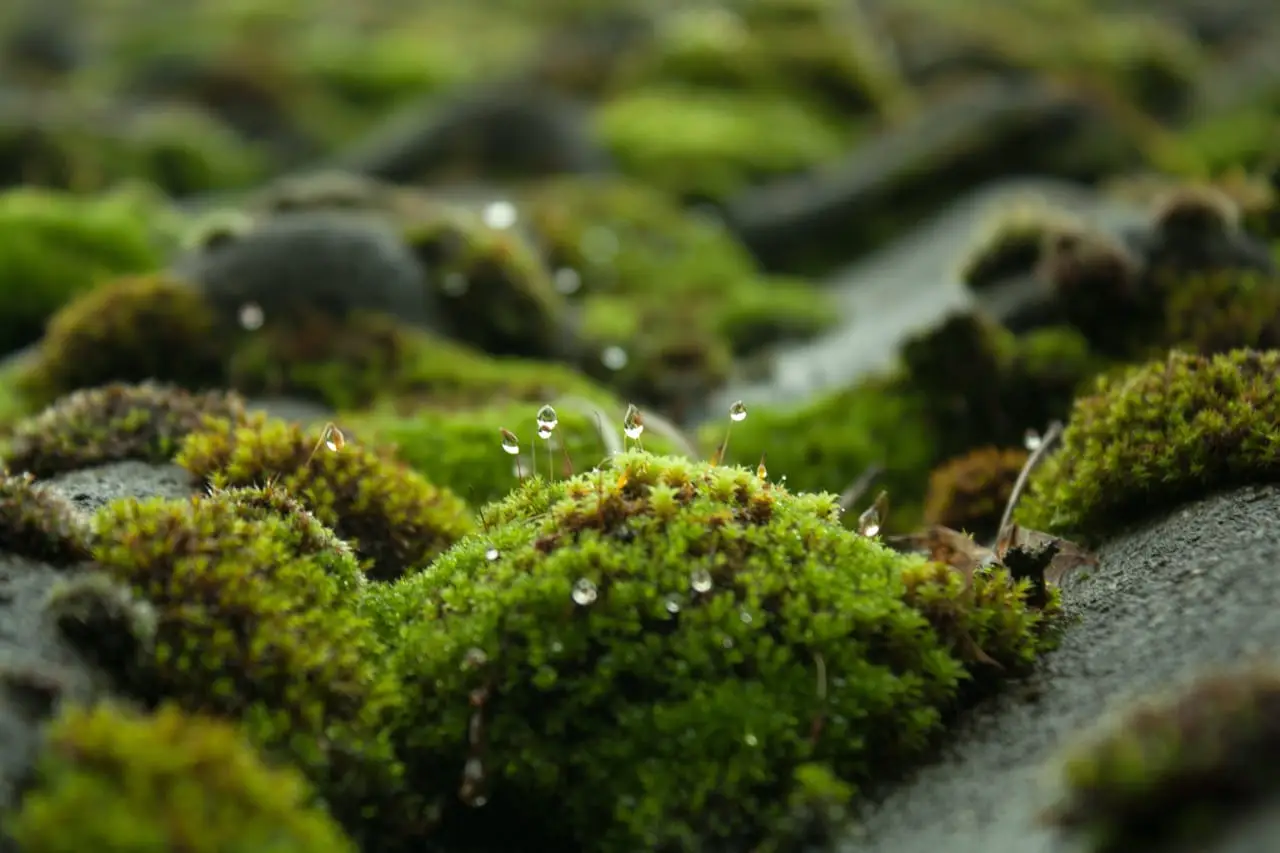
Moss, which is a common concern for Oregon properties, can hold excess moisture on the roofing materials. Additionally, moss can lift or displace certain roofing materials as it grows. If you don’t promptly get rid of moss on your roof, it can continue to expand until it interferes with water shedding and contributes to premature deterioration.
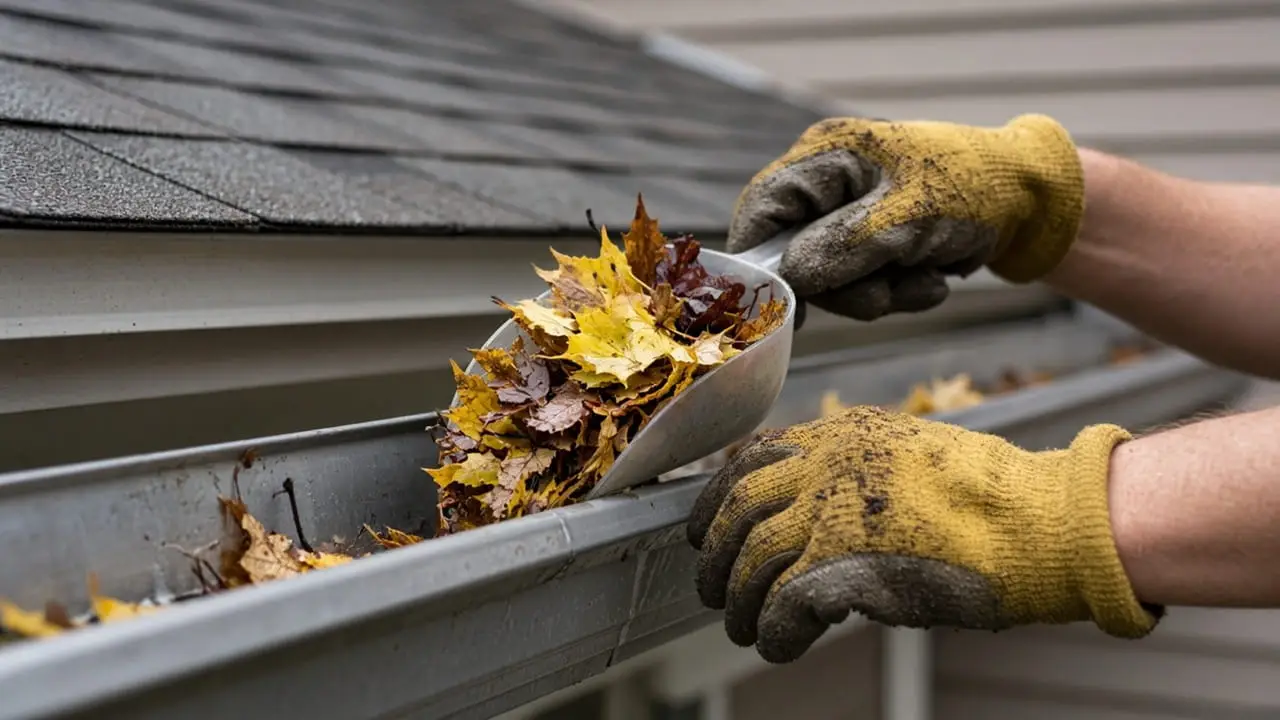
Debris presents a similar problem—things like leaves, pine needles, fir needles, and small twigs can collect in roof valleys, behind chimneys, around skylights, and near gutters. This debris can trap excess moisture, and larger accumulations have been known to obstruct drainage, making it harder for water to leave these areas.
Oregon homes surrounded by trees may be particularly susceptible to these issues, as shaded roof sections can dry more slowly and nearby trees tend to deposit new debris throughout the year.
Professional Roofers Can Help
There is no need to worry just yet; moss and debris do not automatically mean your roof needs to be replaced. Depending on the roofing material and the extent of moss growth, appropriate cleaning, treatment, and maintenance may help preserve the existing system. The important consideration is whether the moss or debris has contributed to material damage, drainage problems, or other deterioration.
Regularly addressing debris buildup and scheduling professional moss removal services helps keep water moving as intended and reduces the risk of preventable roofing problems.
Damage Can Develop Out of Sight
Leaks aren’t always easy to find in a place like northwest Oregon. A roof can appear relatively intact from the ground while hidden vulnerabilities may be allowing water to seep inside.
Persistent moisture can contribute to the deterioration of roofing materials and associated components, particularly when water repeatedly reaches areas that are already compromised. If moisture penetrates the roof system and remains trapped, it may damage the underlying decking or other wood components. Depending on the location and severity, water intrusion can also affect insulation, drywall, ceilings, and interior finishes.
A Professional Can Help You Find the Source
If a roof leaks with heavy rain, you may notice a water stain on a ceiling, peeling paint, or a musty odor inside the home. However, the actual source of the water may be several feet away from where the damage appears—water can travel along decking, framing, or other surfaces before becoming noticeable indoors.
To find the source of a problem, schedule a roof inspection. A dependable, legitimate roofing contractor like Roof Life of Oregon will look at components like:
- Flashing – Metal flashing around chimneys, walls, and other transitions helps direct water away from vulnerable joints. Deterioration or improper installation can create entry points.
- Roof penetrations – Vents, skylights, pipes, and other openings require appropriate sealing and flashing to prevent water intrusion.
- Roof valleys – These areas collect water from adjoining roof sections, making effective drainage and freedom from debris especially important.
- Roof edges and gutters – Damaged edges or obstructed gutters can interfere with drainage and contribute to moisture problems around the roofline.
- Damaged roofing materials – Cracked, missing, lifted, or deteriorated shingles and shakes can leave underlying layers more vulnerable to water.
Why Some Oregon Roofs Hold Up Better Than Others
Two homes in the same Portland-area neighborhood can experience similar weather yet have very different roofing needs. The difference often comes down to the factors in the table below.
| Factor | Reasoning |
| Roof materials | Roofing materials have different performance characteristics and maintenance requirements. Therefore, rain impacts each roofing material differently; the same is true for debris and other environmental stressors. |
| Design | Roof pitch affects water drainage and durability. Valleys and other transitions may require additional attention because they receive water from multiple roof sections. |
| Installation quality | Properly installed flashing, underlayment, roofing materials, and drainage components must work together to protect the home. Unfortunately, even durable materials may develop problems prematurely when installation defects allow water to enter. |
| Maintenance history | A roof that receives an appropriate amount of roof inspections and prompt repairs may remain serviceable longer than one with unresolved leaks, neglected drainage, or substantial moss buildup. |
| Surrounding environment | A home beneath mature trees may accumulate more leaves and needles than a property with little overhead vegetation. Additionally, shaded sections may remain damp longer than exposed areas that experience different patterns of weathering. |
Ventilation Matters
A roof’s performance depends on more than its exterior surface. The attic and ventilation system also play important roles in managing heat and moisture within the home.
Everyday household activities, including cooking, showering, and washing laundry, introduce moisture into indoor air. Some of that moisture can migrate into the attic. If ventilation and other moisture-control measures are inadequate, damp conditions may persist and contribute to condensation on wood surfaces, damp insulation, or conditions that can cause mold to grow in your attic and wood deterioration.
Oregon’s wet climate makes it particularly important to understand where moisture is coming from and whether it can dry effectively. If not, improving attic ventilation can help manage heat and moisture. However, ventilation alone cannot correct an active roof leak or other more direct forms of moisture intrusion.
Maintenance Habits That Help Oregon Roofs Last Longer
Oregon’s wet weather makes preventive roof care key to keeping the roofing system in good condition, as it helps with maintaining effective drainage and identifying vulnerabilities before they lead to more extensive damage.
Several maintenance priorities can help, including:
- Scheduling regular roof inspections – Periodic professional roof evaluations can identify damaged materials, deteriorating flashing, drainage concerns, and other problems that may not be visible from the ground.
- Managing moss appropriately – Only remove or treat moss using methods suited to your roofing material. Avoid aggressive cleaning techniques like using zinc sulfate powder, which can damage certain roofing materials.
- Clearing debris from roof valleys – Harmful tree debris like leaves, needles, and other buildup can obstruct water movement and retain moisture against roofing materials.
- Keeping gutters and downspouts clear – Proper drainage helps move water away from the roof and foundation rather than allowing it to accumulate along the roofline.
- Addressing damaged materials promptly – Missing shingles, cracked tiles, deteriorated flashing, and other defects should be promptly evaluated and repaired by a professional before further exposure worsens the problem.
- Paying attention to ventilation and attic conditions – Investigate persistent condensation, damp insulation, or musty odors instead of assuming the exterior roof is the only possible source.
Maintenance schedules should reflect the roof’s material, age, exposure, surrounding trees, and current condition. A home beneath tree cover may require more frequent debris management than a home with few nearby trees. Similarly, a roof with a history of moss growth or drainage problems may need closer monitoring.
Knowing When Rain Exposure Calls for a Closer Look
You don’t need to be concerned every single time you see rain on roofs in Oregon, as these systems are designed to withstand ordinary weather exposure. However, certain signs warrant a closer evaluation, such as visible deterioration, persistent moss or debris buildup, moisture concerns in the attic, and roof leaks with heavy rain.
Still, you shouldn’t wait for a problem to arise before you get a read on your roof’s condition. For homeowners who live in one of our service areas, Roof Life of Oregon offers free roof inspections to help assess the condition of your roofing system and identify areas that may need attention.
Schedule an inspection to understand whether maintenance, repair, or further work is appropriate for your home.