Key Takeaways
- The goal – Choose worthwhile roof upgrades that can improve durability, performance, appearance, and long-term maintenance needs rather than simply adding an expensive feature.
- What to prioritize – Repairing any underlying problems and safeguarding the property with preventative maintenance should come before investing in cosmetic roofing upgrades.
- Things not to forget – Flashing, ventilation, drainage, and other less visible components can protect the roof from moisture and premature deterioration, making them valuable components to upgrade even if buyers never see them.
Not Every Roof Upgrade Adds the Same Value
If a real estate agent recommends roofing upgrades before listing their client’s house, that client’s mind might jump to premium shingles or a distinctive new roof color. However, it is important to remember that not every improvement serves the same purpose or provides the same level of value.
Some roof upgrades are necessary to keep the existing system functioning properly, but they may not feel like a visual improvement—replacing deteriorated flashing, repairing a leak, or correcting a ventilation problem is essential to protect the home’s structure, but there isn’t much aesthetic value. Other projects, such as replacing the roof with a more durable material, can improve both performance and long-term appeal. There are also some optional features that may enhance appearance and attract buyers but don’t necessarily impact functionality.
The guide below is designed to help you select improvements that address genuine needs while enhancing the roof’s durability, appearance, or performance.
Start With the Roof You Already Have
Before investing in roofing upgrades, it is important to understand what condition the existing roof is in. Adding premium materials or cosmetic improvements to a roof that has a poor structure with unresolved problems can undermine the value of the entire project.
Some examples of issues that can affect how well a roofing system performs are:
- Poor attic ventilation
- Deteriorated sealants or flashing
- Improperly working drainage system
If these problems are left unresolved, they could contribute to moisture intrusion, cause premature deterioration, and allow damage to accrue in other parts of the home, even if the roof’s shingles are replaced with nicer, newer ones.
Figuring Out Exactly Where to Begin
A professional roofing inspection can help homeowners understand the roof’s current condition, identify areas that need attention, and estimate how much useful life may remain—this information provides a better foundation for deciding whether to repair, replace, or upgrade the roofing system.
In many cases, the most valuable improvement is simply bringing the existing roof into good working condition.
Upgrading Roofing Materials Can Pay Off
When a roof is approaching the end of its useful life, homeowners should start considering whether a different roofing material would better suit the property. Moving from a basic material to a higher-quality or more durable option, like choosing synthetic over asphalt shingles, can potentially improve the roof’s longevity, appearance, and performance.
Nevertheless, roofing materials vary considerably, making it important for homeowners to consider things like:
- The expected lifespan of the roof material
- Their maintenance requirements
- What they look like
- How well they resist local environmental conditions
Asphalt shingles may be a practical choice for many homeowners, while others go with cedar shake, stone-coated metal, or Brava composite for more durability and closer alignment with their aesthetic preferences.
How to Get the Most Out of a Material Upgrade
A material upgrade can be particularly useful when it aligns with the home’s architecture and the owner’s long-term plans. A homeowner who expects to remain in the property for many years may place greater importance on durability and maintenance requirements. Whereas someone preparing to sell may place more emphasis on appearance and enhancing curb appeal for potential buyers.
Choosing the Expensive Route Isn’t Always Necessary
As you explore the costs of different roof types, don’t assume that the most expensive option is always going to be the best one to go with just because of the price tag. A premium roofing material that looks out of place on the home or significantly exceeds the expectations of the surrounding neighborhood may not provide a proportional benefit.
The right choice should account for things like:
- The home’s architectural style and existing roofing system
- Local climate
- The homeowner’s budget
- Roof maintenance expectations
- Intended length of ownership
A quality installation also matters. Even a high-end material can perform poorly when it is improperly installed or when other parts of the roofing system are neglected.
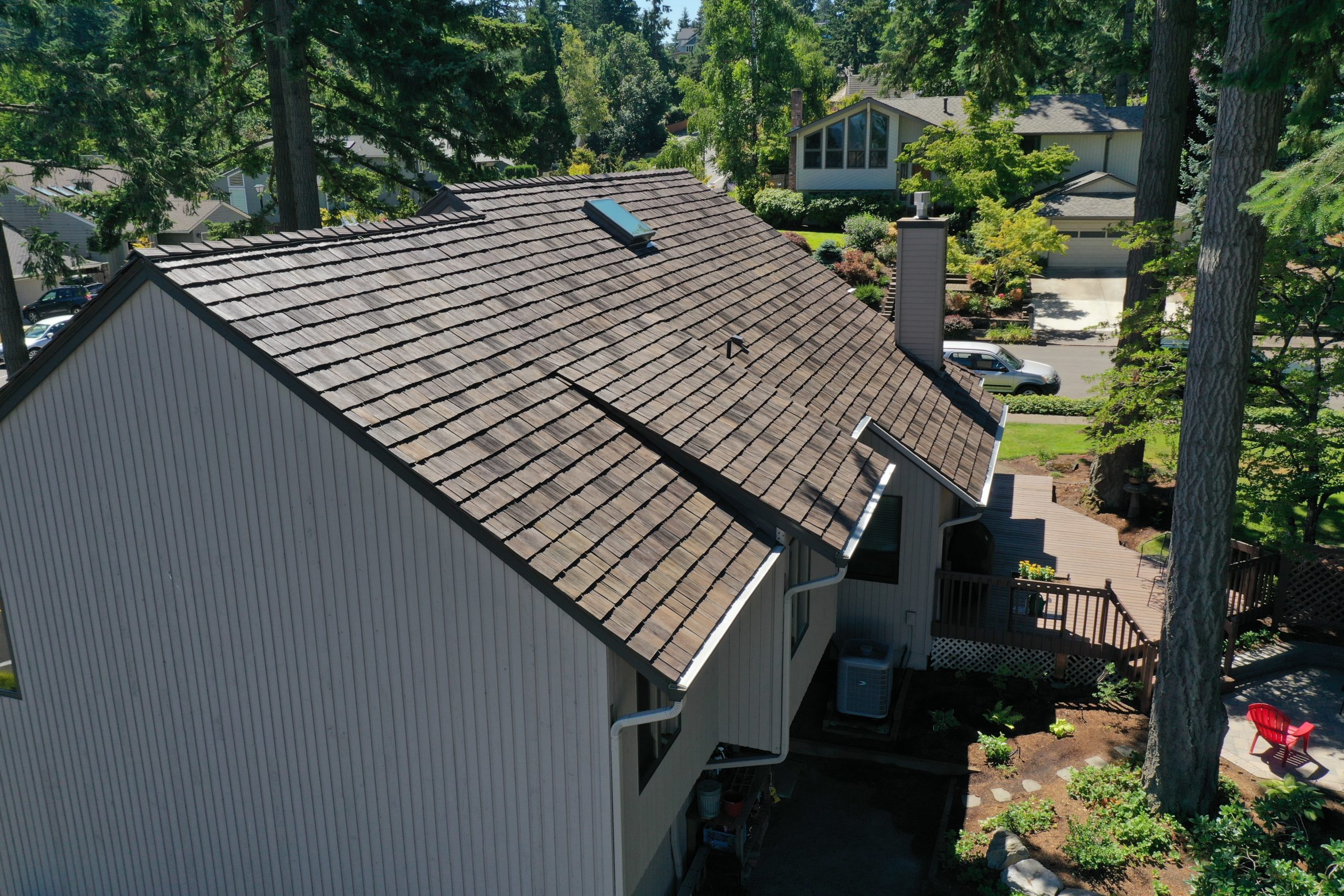
This property features a new Brava composite roof, which can enhance curb appeal and offer more longevity than traditional asphalt shingles.
Curb Appeal Starts at the Roofline
A roof occupies a large portion of a home’s exterior, so its condition and appearance can have a noticeable effect on curb appeal. Some things that can make an otherwise well-maintained property appear older or less cared for are:
- Faded, stained, or discolored roofing materials
- Missing, curled, or cracked roof tiles or shingles
- Moss or algae growth on the roof
- Damaged or visibly patched flashing
When it is time to replace your roof, the new material you choose can improve the home’s overall appearance even if it looks similar to what was there before. Clean lines, consistent materials, and complementary colors can all contribute to a more cohesive exterior.
Prioritize Lasting Appeal
For homeowners considering aesthetic roofing upgrades, the key is to distinguish lasting visual appeal from highly personal preferences—a dramatic color or distinctive material may be attractive to one homeowner but less appealing to future buyers.
Still, this doesn’t mean homeowners should avoid making aesthetic choices; those choices should just be considered in the context of the entire property. Roofing upgrades tend to make more sense when they complement other parts of the home rather than competing with them. Therefore, some features you should consider are:
- Siding
- Windows
- Exterior trim
- Entry doors
- Landscaping
- Overall style
The Improvements Buyers May Not See
Some of the most important roofing upgrades are easy to overlook because they are not necessarily visible from the street. Some examples of valuable upgrades that may not offer much aesthetic value are:
- Replacing flashing to help direct water away from vulnerable areas such as chimneys, walls, skylights, and roof penetrations
- Improving attic ventilation to facilitate heat and moisture management in the attic
- Ensuring underlayment is in good condition, as underlayment makes a difference in how well the structure underneath the primary roofing materials is protected
- Fixing roof pitch to help with water drainage and durability
Upgrading these components may not impress a prospective buyer during a quick walk around the property, but they can have a meaningful effect on the roof’s performance. A roof that manages moisture effectively and avoids premature deterioration can help protect the decking, framing, insulation, interior finishes, and other parts of the home.
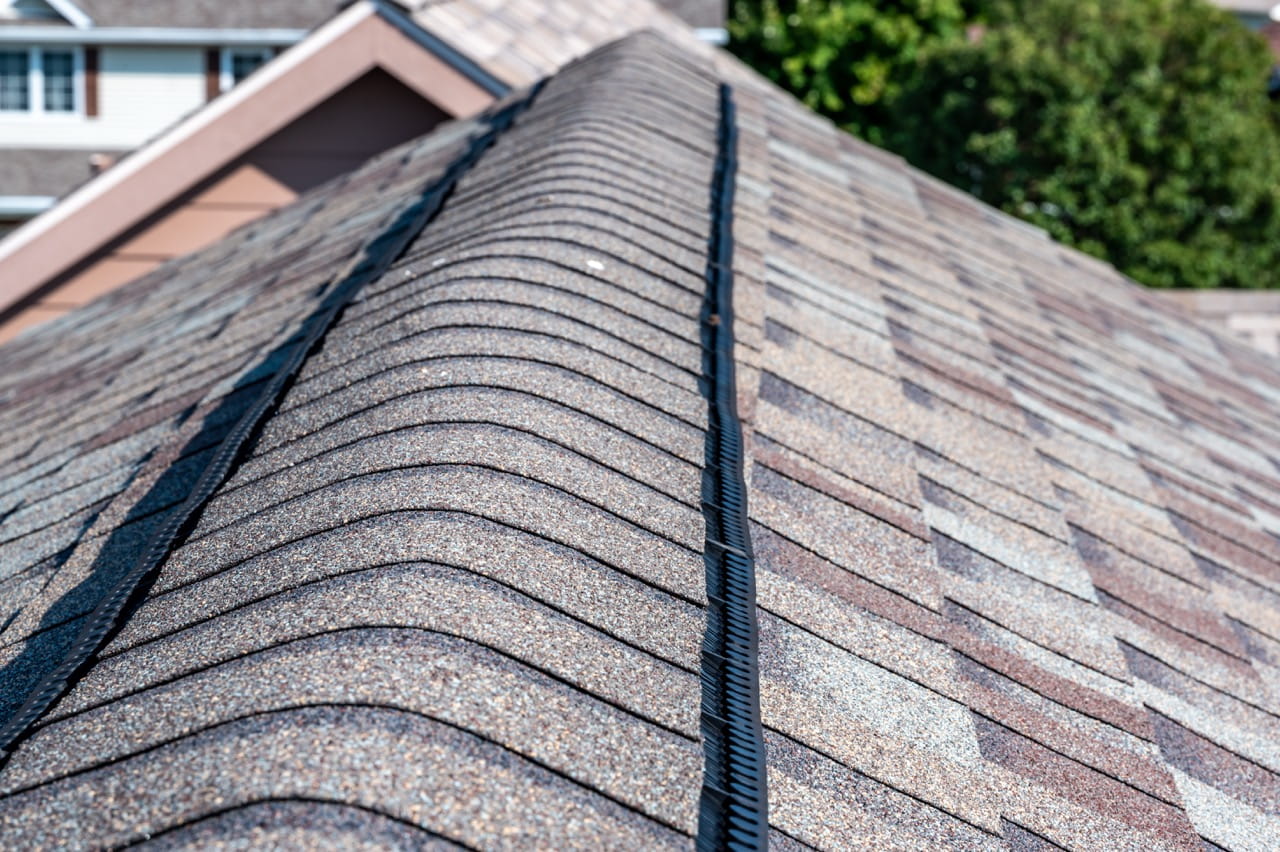
Ridge vents are virtually undetectable to people walking around the property at ground level because they sit flat along the peak of the roof and are covered with matching cap shingles. Nevertheless, they play an integral role in heat and moisture management.
When a Roof Upgrade Isn’t Worth It
Most roofing upgrades are valuable investments that can boost home value, but homeowners should be cautious about assuming that every premium feature will make a substantial difference. Roofing products are sometimes marketed around potential benefits that may not apply equally to every property.
Therefore, some important considerations are:
- The home’s price point – A roofing system that is appropriate for a high-end custom home may be unnecessary for a modest property where comparable homes use more conventional materials.
- Remaining roof life – If the existing roof has substantial useful life left, scheduling a roof replacement solely to install a better quality material may not be a practical choice.
- Expected length of ownership – A homeowner who plans to stay for decades may value durability and lower maintenance differently from someone who expects to sell within a few years.
Questions to Ask Yourself
Before committing to an upgrade, consider what the improvement actually accomplishes. Four potentially helpful questions to ask yourself are:
- Does the planned upgrade solve a real problem?
- Does it extend the roof’s useful life?
- Does it improve performance, appearance, or both?
- Could it make the home more marketable based on neighborhood norms?
Answering the questions above can help homeowners separate meaningful improvements from features that may offer limited practical benefit.
Make the Upgrade Fit the Home
Rather than getting caught up in more aesthetic things like choosing a roof color, homeowners should start thinking about roofing upgrades by focusing on functionality and confirming that the feature they are planning is suitable for their situation. Consider the condition of the existing roof, the home’s architectural style, the local climate, the surrounding neighborhood, and how long you expect to own the property.
If you’re in the market for roof upgrades for a Portland-area home, start with an assessment of what your existing roofing system actually needs. If you live in one of our service areas, the experienced team of roofing professionals at the Roof Life of Oregon can inspect your property, identify areas that may need a roof repair or improvement, and help you understand which roofing upgrades make sense for your home’s condition and long-term plans.
Schedule a professional roof inspection before investing in upgrades so you can make the decision with a clear understanding of the system you’re working with.