Key Takeaways
- The importance of roof ventilation – It helps with temperature control and moisture regulation, keeping fungal growth and corrosion at bay so roofing materials can last as long as possible.
- What Oregonians should know – The Pacific Northwest’s frequent rainfall and humid winters increase the risk of moisture-related problems like mold and wood rot development, making proper roof ventilation key.
- How a professional can help – Routine inspections can identify ventilation issues early, preventing costly repairs and ensuring your roof continues to perform as intended for years to come.
Roof Ventilation Does More Than Regulate Temperature
Some homeowners don’t see the importance of roof ventilation, because they wrongly assume it is only useful for keeping the attic cool enough to spend time in, something they probably rarely do. While enhanced comfort is certainly one benefit, it is not the only reason why roofs need ventilation.
Proper roof ventilation prevents damaging conditions from developing in the upper portions of your home by continuously circulating fresh outside air through the attic and giving warm, moist air an avenue to escape. With consistent airflow, you can prevent mold from growing in your attic and maintain a healthier environment for your roofing system in general.
For homeowners throughout the Portland metro area, where roofs are exposed to months of rainfall, high humidity, and frequent temperature fluctuations, ventilation plays an even larger role in protecting long-term roof performance. So, if you own property in northwest Oregon, read through the guide below to more thoroughly understand why roof ventilation is important and to get a better idea of whether your home needs better ventilation.
Heat Rises Toward the Attic
Even if you don’t remember learning about the intricacies of convection, thermal expansion, and buoyancy in grade school, all you have to do is look at a hot air balloon to remember that hot air naturally rises. You can find examples of this scientific rule inside your house on a regular basis.
Every day, warm air naturally rises into the attic from normal household activities like:
- Cooking meals
- Showering and bathing
- Washing and drying laundry
- Running dishwashers
- Taking care of indoor plants and aquariums
Even occupants simply breathing and living inside the home can generate heat, and without adequate airflow, that warm, humid air can get trapped beneath the roof deck.
The Warm Air Holds Moisture
Rising hot air isn’t just a temperature problem; it carries moisture that can damage your roof from the inside out. Warm air acts like a sponge, holding high amounts of water vapor. Plus, humid air is actually lighter and less dense than dry air, allowing it to rise toward your roof more easily.
How Excess Moisture Threatens Your Roof
Many homeowners solely look for roof damage by surveying the exterior of their property. Little do they know, some of the most serious roofing problems begin underneath the shingles.
Without adequate ventilation, the moisture contained in hot air has nowhere to escape—it condenses on cooler roof decking and framing members, slowly creating an environment where deterioration can begin.
Over time, trapped moisture may contribute to these six issues:
- Unpleasant musty odors throughout the home
- Fungal growth like black mold on attic plywood
- Wood rot within roof decking and framing
- Wet or compressed attic insulation
- Rusting fasteners and metal components
- Reduced structural integrity
These problems often develop gradually, causing the root of the issue to go undetected for months or even years in many cases. By the time homeowners can trace their moisture problems back to poor ventilation, the damage may already be extensive.
Portland Makes Things More Problematic
Northwest Oregon’s climate makes moisture management especially important because the long rainy seasons, damp winters, and persistent humidity place continuous stress on roofing systems. Even when rain isn’t actively falling, moisture levels often remain elevated enough to affect attic conditions and increase your risk of fungal growth.
Luckily, there are many different types of roof vents available that can prevent excessive moisture and heat from lingering in the upper portions of your home and damaging your property.
Warm Months Pose the Biggest Challenge
Even though Oregon experiences milder summers than many parts of the country, heatwaves can negatively impact Portland roofs and make attic temperatures climb well above outdoor temperatures. During late spring, the entirety of summer, and early fall, it is especially important to ensure that heat isn’t getting trapped beneath the roof deck and placing constant stress on roofing materials from below.
Extended exposure to elevated temperatures may lead to problems like:
- Accelerated shingle aging that may expedite your need for a roof replacement
- Dry, brittle roofing materials, such as cracked roof tiles and deteriorated asphalt shingles
- Thermal expansion and contraction that puts greater wear on roofing components
- Overheated attic space that increases strain on insulation and HVAC systems
- Higher indoor temperatures that reduce homeowner comfort
Sometimes, passive ventilation isn’t enough to guarantee that heat doesn’t accumulate, especially during warmer months, encouraging many homeowners to ponder if solar attic fans are worth it to further promote airflow and remove excess heat before it causes unnecessary wear on roofing materials.
Signs Your Roof Ventilation System May Be Failing
Ventilation problems rarely announce themselves all at once, but you may be able to notice red flags as they pop up gradually. Some of the most common signs of poor attic ventilation are:
- Uneven temperatures or excessive humidity in the attic
- Mold/mildew growth or persistent musty odors
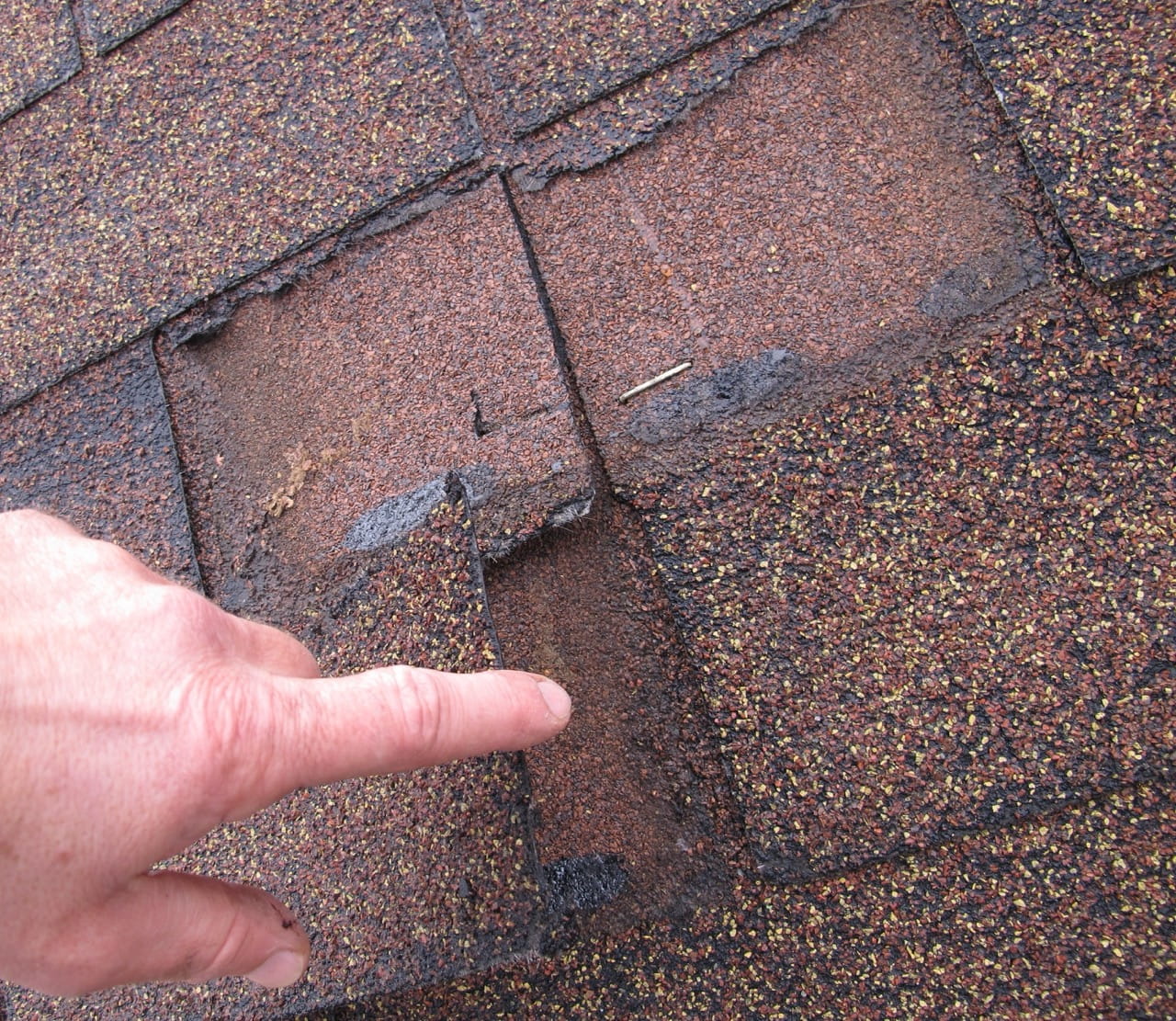
- Prematurely aging shingles that are curling or deteriorated
- Snow and ice dams on Portland roofs during winter weather
- Unusually high heating or cooling bills
- Condensation on attic framing or nails
It is worth noting that the symptoms above can be caused by things other than ventilation issues. For example, curling asphalt shingles could indicate natural aging, storm damage, poor installation, or inadequate ventilation, making professional evaluation especially valuable.
How Professional Roof Inspections Evaluate Ventilation
To get an idea of overall attic airflow, during a professional roofing inspection, roofing specialists may evaluate things like:
- Intake and exhaust vent balance
- Soffit ventilation and ridge vent condition
- Condensation/moisture accumulation
- Insulation performance and roof decking condition
- Signs of mold or mildew
- Areas of premature shingle deterioration
This complete assessment helps determine whether ventilation problems are contributing to existing roof issues or creating conditions that could shorten the roof’s lifespan in the future.
Rather than addressing symptoms individually, professionals evaluate how every roofing component works together as an integrated system.
Every Roof Needs a Balanced Ventilation System
One of the biggest misconceptions about attic ventilation is that simply adding more vents automatically improves airflow. In reality, effective ventilation depends on balance.
Air must enter through intake vents and exit through exhaust vents in approximately equal amounts. Without both sides of this equation, airflow becomes restricted, and ventilation performance suffers.
What Types of Vents are Important for Roofing Systems
Most residential roofing systems rely on a combination of the following components:
- Soffit vents – Allow cool outside air to enter the attic
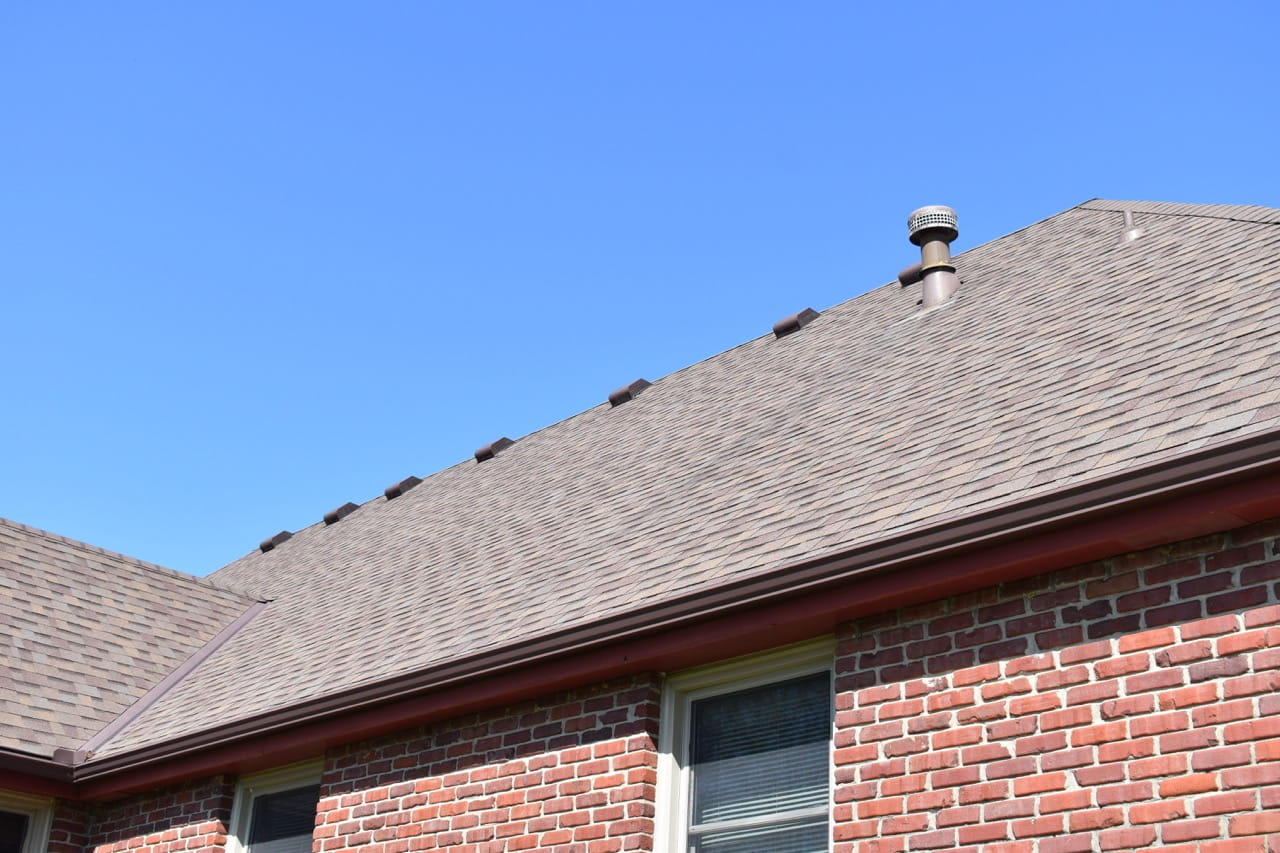
- Ridge vents – Release warm, humid air at the roof peak
- Gable vents – Supplement airflow on certain roof designs
- Baffles – Keep insulation from blocking airflow at soffits
To illustrate how some of these components work together, picture cooler air entering through the soffits, while warmer air naturally rises and exits through ridge vents. This continuous circulation helps maintain healthier attic conditions throughout the year.
What Factors Influence a Ventilation System
Because every home is different, ventilation systems should be designed specifically for each roof rather than using a one-size-fits-all approach. Some things a professional roofer will assess before mapping out a new ventilation system for you are:
- Roof size and pitch
- Attic configuration and other aspects of your home design
- Existing insulation
- Local climate
- Building code requirements
Common Ventilation Mistakes That Shorten Roof Life
Working with a knowledgeable, experienced roofing company like Roof Life of Oregon is vital because ventilation components may not function properly if they are installed incorrectly or become obstructed over time.
Some of the most common ventilation issues include:
- Blocked soffit vents caused by insulation
- Too few intake vents
- Excessive exhaust ventilation without adequate intake
- Damaged or clogged ridge vents
- Poor attic air pathways
- Improper vent placement
Sometimes, improper roofing repairs from underqualified contractors can unintentionally block airflow and lead to a failed roof inspection when a more experienced roofing company reviews their work later down the line.
The Long-Term Benefits of Proper Roof Ventilation
Avoiding the mistakes mentioned in the section above and achieving consistent airflow helps protect numerous roofing components simultaneously, reducing wear that might otherwise lead to expensive emergency roof repairs.
The top 6 long-term benefits of proper ventilation include:
- Longer-lasting roofing materials and fewer unexpected roofing repairs
- Better moisture management, which reduces the risk of mold and wood rot
- Lower likelihood of ice dam formation
- More consistent indoor comfort
- Greater protection for your home’s structural components
- Better energy efficiency
To better understand that last point, you should know that a cooler attic transfers less heat into the living space below, meaning your central air conditioner doesn’t have to work as hard to maintain comfortable indoor temperatures during warmer weather.
The reduced cooling demands during the summer usually translate to cheaper utility bills since it means less stress on HVAC equipment. Nevertheless, energy savings vary from household to household and are not guaranteed.
Proper Ventilation Is an Investment in Your Roof’s Future
Now you know why roofs need ventilation—proper airflow protects your roofing system from excess heat, trapped moisture, premature aging, and unnecessary deterioration throughout every season.
Again, roof ventilation is especially important for homeowners throughout the Portland metro area, where persistent rainfall and high humidity place continuous demands on residential roofing systems. So, it is best to have roofing professionals you can trust to build out a balanced ventilation system.
Roof Life of Oregon provides comprehensive roof inspections that assess the entire roofing system, including ventilation performance, moisture management, and overall roof health. By identifying ventilation issues early, our team can help you draft an effective plan of action that has the best chance of protecting your investment and extending the life of your roof, such as adding attic fans.
Contact us to ensure your roof ventilation is in the best condition possible.