Key Takeaways
- Permanent roofing solutions don’t exist because even the most durable systems require maintenance, repairs, and eventually replacement as they age and are exposed to environmental stressors.
- Even though no roofing material lasts forever, homeowners can get the most out of their roofing investment by focusing on expected service life, installation quality, maintenance requirements, and warranty coverage.
- After installation, regularly scheduling inspections and giving prompt attention to moss, debris, moisture, leaks, and other problems can help prevent premature roof deterioration and extend the life of the roofing system.
- When faced with a roofing problem, some factors that determine if a repair or a replacement is ideal are the scale of the damage, the roof’s age, the condition of the underlying materials, and the homeowner’s long-term plans.
The Short Answer: No Roof Lasts Forever
Roofing problems like leaks, moss growth, and damaged shingles can be incredibly frustrating, especially if these issues are recurring. It is understandable to want a solution that will make roofing complications disappear for good, but unfortunately there is no such thing as permanent roofing solutions.
Although different roof types have varying lifespans, the reality is that no roof lasts forever. Every roofing material eventually experiences some degree of wear from rainfall, wind, ultraviolet radiation, temperature fluctuations, moisture, debris, and general aging. Nevertheless, homeowners aren’t powerless when it comes to extending the service life of their roof.
In addition to debunking the idea of permanent roof repair, the guide below offers tips for preventing premature roof deterioration, from scheduling routine inspections to promptly addressing moss, debris, and moisture problems. It also offers a glimpse into which roofing materials have the best longevity and how to determine if a repair or replacement will be best for your situation in the long term.
Why “Permanent Roofing Solution” Is Mostly a Marketing Term
One of the most noteworthy red flags when hiring a roofing contractor is if they claim to offer permanent roof repairs; this is just a buzzword, and it can be very misleading. In most cases, “permanent roofing solutions” just means the contractors will resolve a specific problem for the time being or install a durable, long-lasting roofing material—homeowners shouldn’t expect their roofing system to remain completely unaffected forever.
Maintenance Will Always Be Important
The word “permanent” should never be interpreted as “maintenance-free.” A roof still needs appropriate inspections and maintenance services after a major repair or replacement, as even premium roofing materials are exposed to the same basic environmental forces as every other roof. Over time, materials age, fasteners can deteriorate, flashing may require attention, drainage components can develop problems, and surrounding conditions can change.
How to Get a Clearer Picture of a Roofing Solution’s Longevity
Don’t get hooked on deceptive claims of permanent roofing solutions. Instead, ask targeted questions that reveal the true impact of a roofing project, including things like:
- How long will this repair reasonably last?
- What factors could shorten my roof’s service life?
- What maintenance will be required?
- What materials are being used?
- What workmanship or manufacturer warranties apply?
- Is this repair appropriate for the remaining life of the roof?
The questions above should provide a more realistic picture of what homeowners can expect from a roofing investment.
The Biggest Threat to Your Roof Isn’t Always Age
Age is an important factor in roof performance, but it is not necessarily the only reason a roof begins to fail. In Oregon, environmental conditions and neglected maintenance can accelerate deterioration long before a roof reaches the upper end of its expected service life.
Moss May Be the Problem
Northwest Oregon’s wet climate is one of the main reasons why you may see moss on Portland roofs. The humidity and rainfall experienced during the winter months can create the perfect environment for moss growth, especially on the shaded portions of the roof. If you don’t get rid of moss on your roof, it can retain moisture against roofing materials and contribute to deterioration over time.
Debris Doesn’t Help
Debris can create similar problems. In Portland, it is common to see harmful tree debris accumulating in roof valleys, around penetrations, and along drainage paths. Some of the most common types of debris in the Pacific Northwest are:
- Leaves
- Pine needles
- Fir needles
- Small twigs, bark, and branches
- Seeds, cones, and other organic material
When the debris stays wet, it can interfere with water movement and can be the culprit in your drainage system not working properly, creating areas where moisture remains in contact with roofing materials.
Minor Leaks Can Cause Major Problems
Ignoring minor leaks can also become very problematic. A minor opening around flashing or a damaged roofing material may allow moisture to reach the underlayment, decking, insulation, or other components beneath the visible roof surface.
Although they don’t fully illustrate all the problems that can plague a roof, they are great examples of why routine roof maintenance is important. Finding and correcting a relatively small problem early can be considerably easier than addressing extensive deterioration after years of moisture exposure.
How Long Do Roofs Actually Last?
A roof can last for decades with appropriate maintenance, providing significantly more value than one that is neglected and begins experiencing problems prematurely. Understanding the realistic lifespan of your particular type of roof, maintaining its components, and addressing problems while they remain manageable are all important parts of that equation.
Some Roofing Materials Last Longer, But None Last Forever
Roofing materials have different expected service lives, but there is no single material that eliminates the need for maintenance or eventually reaches the end of its useful life.
Brava composite and stone-coated metal roofs are among the roofing materials with the longest lifespan; many roofs made of these two materials last 50+ years when regularly cared for. Although they are generally not as durable as the previous two types of roofs, high-quality asphalt shingles can last a substantial 15-30 years when properly installed and maintained. However, these estimates are not guarantees.
What Affects a Roof’s Longevity?
Actual performance depends on factors such as:
- Material quality
- How well it was installed
- The roof’s design
- Weather and debris exposure
- Whether there is poor attic ventilation
- How well maintenance is prioritized
For example, a durable material that is improperly installed can develop problems prematurely. Likewise, even a properly installed roof can deteriorate faster when moss, debris, drainage problems, or leaks are allowed to persist.
Knowing When to Repair vs. Replace
A permanent roof repair may not exist in the literal sense, but a well-executed roof repair can still provide years of additional service when the underlying roof remains in good condition.
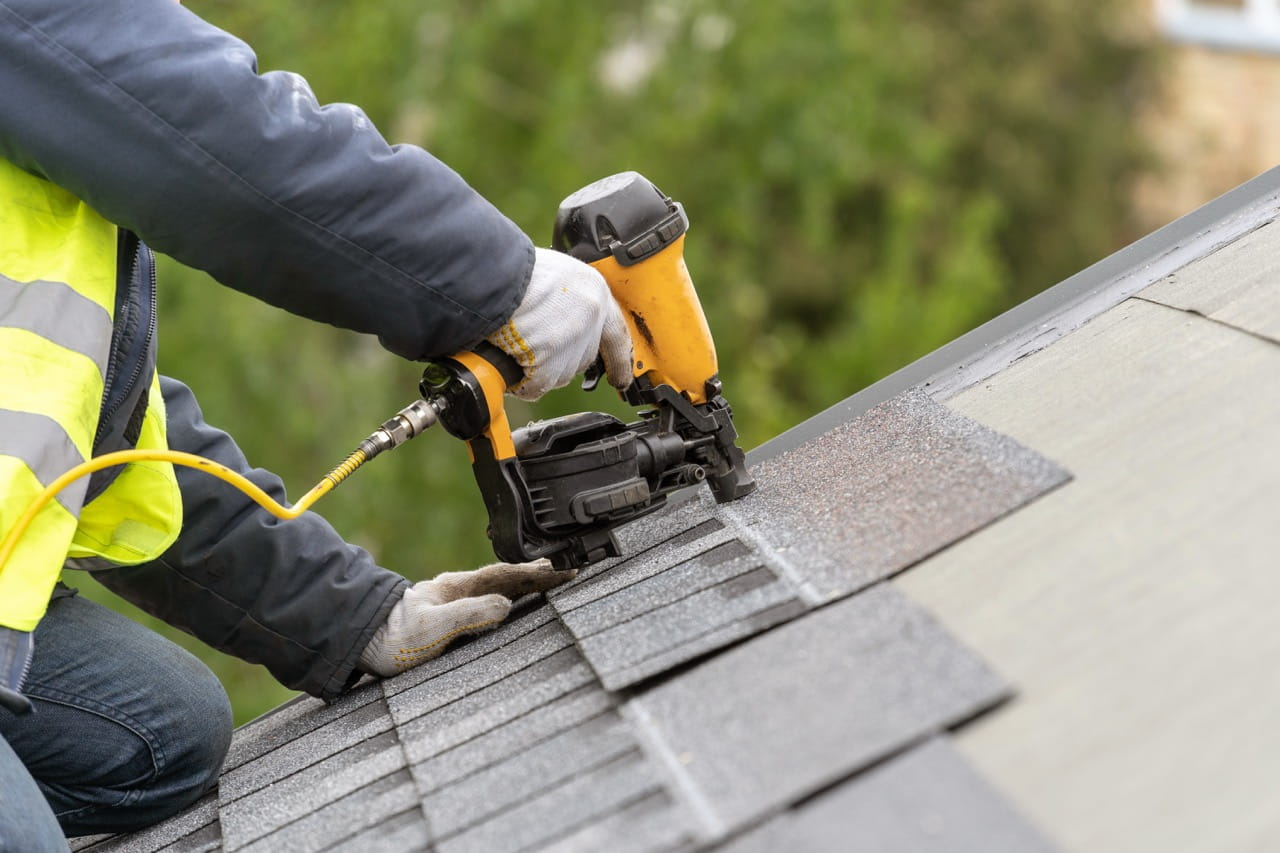
Roof repair may make sense when the damage is localized and the rest of the roofing system has substantial useful life remaining. For instance, if there is a small number of compromised roofing materials or you need pipe flashing to be fixed or an isolated leak to be addressed, you likely will not have to replace the entire roof.
Roof replacement becomes more compelling when problems are widespread or repeatedly returning. A roof that requires frequent repairs may be signaling that multiple components are approaching the end of their service life—continued spot repairs can become increasingly difficult to justify if they provide only short-term improvements.
What Determines Whether a Repair or Replacement is Best?
Five of the most noteworthy factors that help determine which approach makes sense include:
- Age – A repair on a relatively young, well-maintained roof may provide substantial additional service life.
- Extent of damage – Localized damage is generally easier to address than deterioration across multiple roof areas.
- Underlying condition – Damaged decking, underlayment, flashing, or other components can change the scope of the project.
- Repair history – Repeated problems in the same or different areas may indicate broader deterioration.
- Long-term plans – Homeowners planning to remain in their home for many years may approach the decision differently than those considering a move.
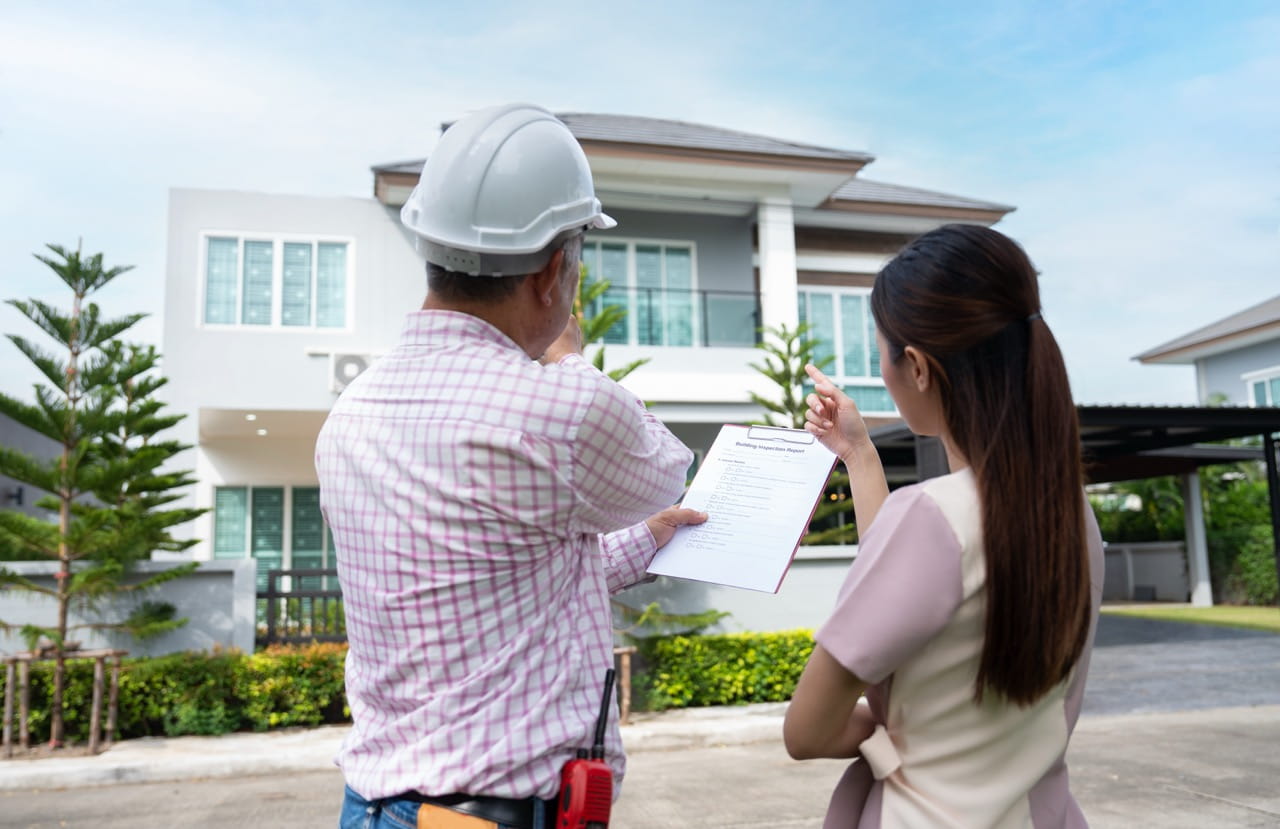
A dependable, legitimate roofing contractor should give you an answer based on an honest evaluation of the roofing system rather than a blanket recommendation to repair or replace. A professional roof inspection can identify what is actually failing and provide homeowners with a clearer understanding of their options.
The Best Investment Is a Roof That Lasts as Long as Possible
There may be no permanent roofing solutions, but homeowners can take meaningful steps to maximize the life of their existing roof. The goal is to keep the roofing system performing properly for as long as its materials and condition reasonably allow—that starts with routine inspections.
Roof Life of Oregon offers well-care checkups that can identify developing problems that may be difficult to see from the ground, including deteriorating flashing, damaged roofing materials, drainage concerns, and areas vulnerable to moisture intrusion. Our skilled team of licensed roofers also helps with preventative maintenance; we can promptly repair issues before they spread to reduce unnecessary deterioration.
Don’t wait for a serious leak or obvious failure before having your roof evaluated. Early intervention generally gives you more choices—a localized repair may be possible before the problem expands, while a roof that has been allowed to deteriorate extensively may require a much larger investment.
If you live in one of the areas we serve, you should schedule a professional roof inspection today.